Panorama Hills School

Tuesday, October 14, 2014

The Heart and Stroke Foundation visits our classes today.

Today Panorama Hills School was fortunate to have The Heart and Stroke Foundation visit our Physical Education classes. Students learned three important factors that contribute to healthy hearts – Living an active lifestyle involving daily exercise; Eating healthy and balanced meals; and, never start smoking.

Below are a few questions to challenge our students to see what they learned during today's visit. How much do you remember?

What is your heart made up of? 
1. Bone
2. Muscle
3. Fat

How do we make our heart healthier?
1. Exercise
2. Eating Healthy Food
3. Not smoking
4. All of the above

How much blood does our heart pump each minute?
1. 1 Litre
2. 7 Litres
3. 4 Litres

What would be considered a healthy after school snack?
1. Banana
2. Chocolate Bar
3. Fast Food Hamburger

When blood does not reach the heart because of a blocked vessel, a heart attack is possible. When blood does not reach the brain because of a blocked vessel what is possible?
1. A heart attack
2. A brain attach
3. A Stroke

Breakfast cereal should have at least how much fibre?
1. 6g of firbre
2. 3g of fibre
3. 1g of fibre

What percentage of heart disease is preventalb?
1. 10%
2. 50%
3. 80%

There are 4000 chemicals in one cigarette. How many of these chemicals are known to cause cancer?
1. 3 
2. 17
3. 65

Average age of Canadian child who tries smoking for the first time?
1. 13
2. 17
3. 21


Answers:

What is your heart made up of? 
1. Bone
2. Muscle
3. Fat

How do we make our heart healthier?
1. Exercise
2. Eating Healthy Food
3. Not smoking
4. All of the above

How much blood does our heart pump each minute?
1. 1 Litre
2. 7 Litres
3. 4 Litres

What would be considered a healthy after school snack?
1. Banana
2. Chocolate Bar
3. Fast Food Hamburger

When blood does not reach the heart because of a blocked vessel, a heart attack is possible. When blood does not reach the brain because of a blocked vessel what is possible?
1. A heart attack
2. A brain attach
3. A Stroke

Breakfast cereal should have at least how much fibre?
1. 6g of firbre
2. 3g of fibre
3. 1g of fibre

What percentage of heart disease is preventalb?
1. 10%
2. 50%
3. 80%

There are 4000 chemicals in one cigarette. How many of these chemicals are known to cause cancer?
1. 3 
2. 17
3. 65

Average age of Canadian child who tries smoking for the first time?
1. 13
2. 17
3. 21


Wednesday, October 1, 2014

What is good footwear for children?

Looking to find good shoes for your children? Are you curious about what would be a good choice of shoe? We hope that we can help a little in these decisions. 


Many children shoes today have a lot of gimmicks to encourage parents to spend their money on a pair of 'fun' shoes. The reality however, is that these shoe may likely do more harm than good and not last long enough to get your money's worth. 


In Phys Ed we see a wide variety of 'indoor shoes'. From slip on water-type shoes, to sandals to knee high boot/shoe hybrids to shoes with no laces...and this continues. Often we even see children wearing shoes that are too small for them, forcing the student to bend the back of the shoe to allow their foot to fit.  


Now this isn't all children and there are sometimes circumstances preventing families from buying new shoes for this growing children. 

Our goal with this post is to offer some advice that may make buying shoes a little less stressful and more functional for your children. Here is a fantastic video from Dr. Kelly Starett of whom Mr. Fen-Mac is a huge fan. 


Dr. Starett talks pretty fast in this video but his message is simple. Shoes should be flexable, durable and flat. It's important for children as they grow (and adults too!) to wear flat shoes to maintain proper mobility in their ankles, knees, hips and back. A shoes that doesn't fit will change the way a child walks; and if you think of the number of steps they take daily (nearly 12,000 - 20,000), this can have a dramatic effect on how their muscles and bones grow. 

Stop by the Phys Ed office and let us show you a few mobility activities you can do with your children to maintain good mobility in their feet, ankles, knees and hips. 


Monday, September 22, 2014

Purposeful Planning

Purposeful Planning

We are very fortunate at PHS this year to have two Phys Ed teachers - a dynamic team working together to bring your child the best year of Physical Education yet. This is a unique opportunity that allows us to plan even more purposefully than ever before.

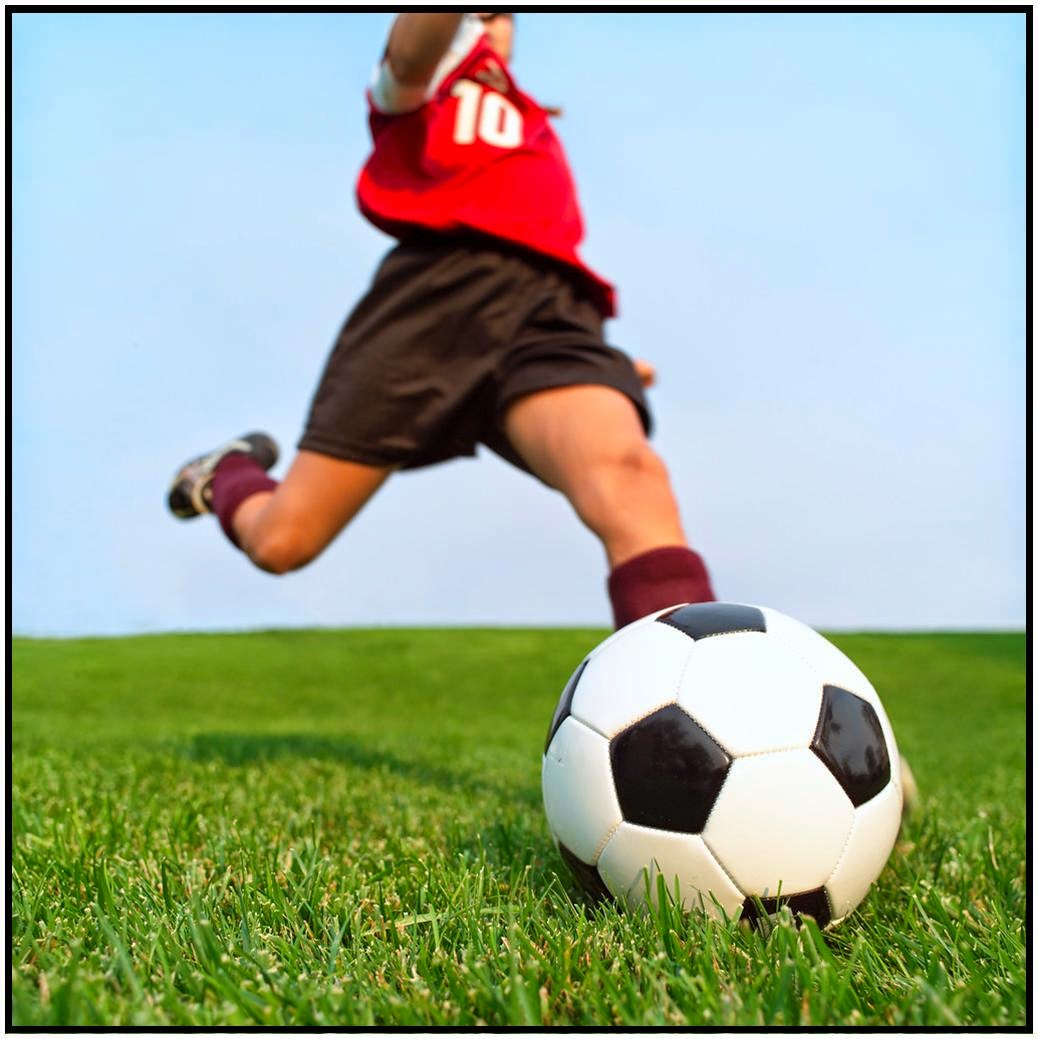
Let's take what we've been doing in class as an example of this. The last few days we have been working on skills related to soccer and wall-ball. These two games are widely played at school during recess and we wanted to capitalize on this right at the beginning of the school year. Now this isn't much different than in previous years, however now we are able to teach these skills in unison - in one class, we have two groups of students working on these skills.


And here is the best part.

We are always looking to teach in ways that will develop the physical literacy of your child as well as their health (more here) and we've managed to do a great job at teaching skills involving hand-eye and foot-eye coordination at the same time.

Putting equal emphasis on developing opposite sides of the body is important in setting child to feel successful at a particular game/activity but it also plays an important role in the development of a their brain. In this case we crossed the transverse (hands vs. feet) and lateral midline (left vs. right) planes of their body.

Ever tried to throw or kick a ball with your non-dominant hand or foot? It's difficult, but possible. This challenging task forces their brains to work in an unusual way and strengthens them as a result.

We will continue to plan our Phys Ed lessons in a purposeful way, presenting the curriculum in an exciting manner. Next time your have a conversation about school with your child don't forgot to ask them about what they are doing in Phys Ed, you'll be glad you did!

Tuesday, September 16, 2014

Does your child W-Sit?


What is W-Sitting


Thank you to The Inspired Treehouse for some of this great information!

W-Sitting (as seen in the above photo) is when children sit on the floor in a way that their legs form a 'W'. Many children will sit this way to increase their base of support, making up for a possible lack of core stability or an underdeveloped vestibular system. Some children will sit with their legs 'criss-crossed' or straight out in front of them and experience a sensation that they will fall over and W-sitting is their body's response to this.

At a time when children's bones are growing rapidly, W-Sitting can affect the way their femur and tibia (leg bones), feet and muscles around their hips develop. This also limits a child ability to develop cross-body coordination.

Our Phys Ed team has known about W-Sitting for a while now, however we are coming across more and more resources from medical practitioners advocating for awareness on this topic. Please take a moment to read the information below and if you have time check out this great blog post about W-Sitting.

Why is W-Sitting a Problem?


"This position limits trunk rotation so that kids can't shift their weight to either side. This affects the development of balance reactions and the ability to cross midline. Hip and leg muscles can also become shortened and tight which may lead to 'pigeon toed' walking and back or pelvis pain as they grow" - The Inspired Treehouse 


Credit - TheInspiredTreehouse.com

Some Alternatives to W-Sitting

The Inspired Treehouse also put together this great video about W-Sitting and some alternative ways for children to sit.


Friday, September 5, 2014

Terry Fox Run


This year our school will be participating in the Terry Fox run in late September. We will be continuing with our Toonies for Terry fundraising campaign, which benefits cancer research. You and your family can make a donation in any amount online by clicking here . Students are also encouraged to bring in their donations to their classroom teachers. Our goal as a school community is to raise $5, 000.00.  If we meet our goal Mr. Fen-Mac and Mrs. Lauder will shave their heads and Miss Laslo cut her hair in support of the Terry Fox Foundation. Let’s start fundraising! 

Thursday, September 4, 2014

Are you safe? Are you respectful?


What are the PHS Playground Rules?

We posed this question to a class of 75 grade three students this afternoon.

Can you guess how many responses we received? Well, nearly every hand went up and after having three students respond, almost every hand was still high in the air desperately waiting to add to the conversation. Many answers (this exercise was repeated a few times prior to this class too) consisted of 'Don't do this...' and 'Don't do that..' and 'You're not allowed to...'. 

We anticipated this.

That's why our Phys Ed team is encouraging less rules.

Be Safe
Be Respectful. 

These two rules are unique because they encourage students to think critically. It's our observations that children who have the capacity to think critically of their actions, the actions of others and their surroundings are building much stronger understanding to what is considered right and wrong with respect to rules and expectations. 

We hope over the weeks to come that children will be asking themselves, 'Are my actions safe? Are my actions respectful?' rather than 'Is this allowed?'.


WHICH DEN DO YOU BELONG TO?

Panorama Hills School is a large K-3 school with nearly 700 students, a number that comes close to most middle schools. With an organization this large it becomes difficult to manage and assess this number of students.

As you know PHS now has two Physical Education Specialists which will make this process more efficient and purposeful. However, the addition of the second PE teacher alone is not the biggest strategy to accomplish this.

This year Mr. Fen-Mac and Ms. Atwall have introduced Dens to the PHS Phys Ed program. Similar to houses, such as in the famous movie Harry Potter where the sorting cap matched Harry to the house Hogwarts. At PHS, ten coloured Dens - two of each colour, yellow, blue, pink, red and green - now stand tall above the gym that each student belongs to.

We consider these Dens as learning communities that students will identify with each time they come to the gym for Phys Ed. Not only will this assist us in the management of so many students, our hope is that it will create a sense of identity for each of our students. Students across the school will belong to a coloured Den regardless of their grade. Perhaps our school spirt days will take shape around this concept where students could dress in their Den colours or maybe Kindergarten students will be buddied with their Den buddies in Grade 3 for reading groups or school-wide events. The opportunities are endless!

So...which Den do you belong to?